ABC Trek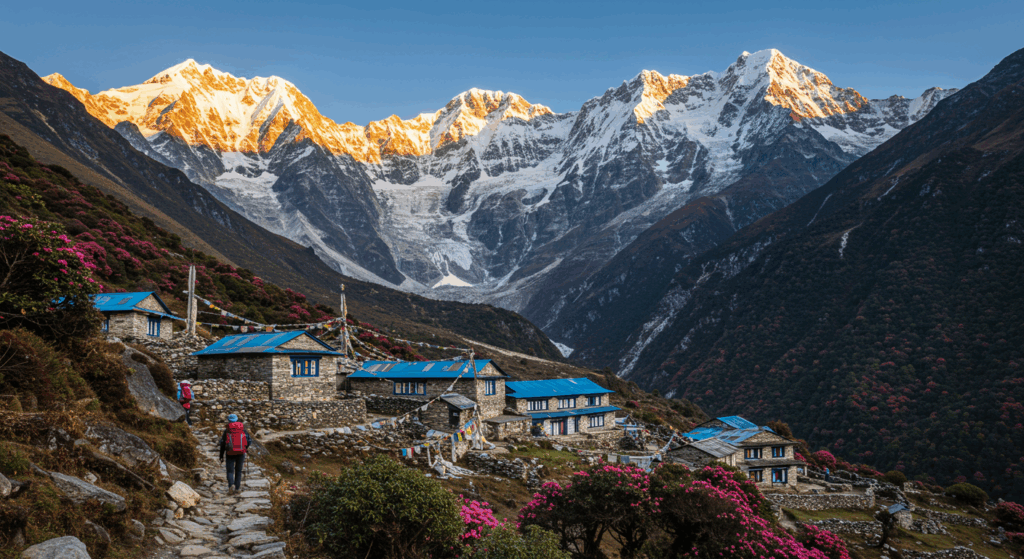
The Annapurna Base Camp trek is one of Nepal’s most iconic and rewarding trekking experiences. Nestled in the heart of the Annapurna Conservation Area, this journey takes you deep into the Himalayas, surrounded by towering peaks, lush forests, and traditional mountain villages. It’s a moderate trek suitable for both first-time hikers and experienced adventurers seeking breathtaking scenery and cultural richness.
Why Choose the Annapurna Base Camp Trek?
The Annapurna Base Camp trek offers a unique blend of natural beauty, cultural encounters, and manageable difficulty. Unlike more remote treks, it’s accessible, well-established, and supported by comfortable teahouse accommodations. Over the course of 7 to 12 days (depending on your route), you’ll pass through rhododendron forests, terraced farmlands, suspension bridges, and charming Gurung and Magar villages, culminating at the base camp of one of the world’s highest peaks – Annapurna I (8,091 meters).
What sets this trek apart is the dramatic amphitheater of mountains that surrounds the base camp. From here, you’ll be rewarded with 360-degree views of majestic peaks such as Machapuchare (Fishtail), Hiunchuli, Annapurna South, and Tent Peak.
Route Overview and Itinerary
Most treks to Annapurna Base Camp begin from Nayapul, a short drive from the lake city of Pokhara. The trek follows the Modi Khola river valley, passing through notable stops like Ghandruk, Chhomrong, and Deurali before reaching the base camp.
Here’s a typical 11-day itinerary:
Day 1: Arrival in Pokhara
Day 2: Drive to Nayapul and trek to Ghandruk
Day 3: Trek to Chhomrong
Day 4: Trek to Dovan
Day 5: Trek to Deurali
Day 6: Reach Annapurna Base Camp via Machapuchare Base Camp
Day 7: Trek back to Bamboo
Day 8: Trek to Jhinu Danda (hot springs)
Day 9: Trek to Nayapul and return to Pokhara
Day 10: Leisure day in Pokhara
Day 11: Departure
This flexible itinerary allows for gradual altitude gain, acclimatization, and time to appreciate the surroundings.
Best Time to Trek to Annapurna Base Camp
The best times to visit Annapurna Base Camp are during the spring (March to May) and autumn (September to November). In spring, the trails bloom with colorful rhododendrons, and the weather is mild. Autumn offers crystal-clear mountain views and stable conditions, making it ideal for photography and trekking.
Winter (December to February) is possible but colder, especially at higher altitudes. Monsoon season (June to August) brings rain, slippery trails, and poor visibility, so it’s generally avoided.
Trek Difficulty and Physical Preparation
The Annapurna Base Camp trek is considered moderate in terms of difficulty. Most days involve walking 5 to 7 hours on varied terrain, with steady ascents and descents. The highest point is 4,130 meters, which is manageable for most trekkers with good physical fitness.
No technical climbing skills are needed, but some prior hiking experience helps. To prepare, it’s recommended to engage in cardiovascular exercise, such as hiking, walking, swimming, or cycling, several weeks before your trip. Stair climbing with a backpack is also useful.
Altitude and Acclimatization
Although the elevation at Annapurna Base Camp is not extreme compared to Everest Base Camp or other high-altitude treks, altitude sickness can still occur. The itinerary is designed to allow gradual ascent, minimizing the risk of Acute Mountain Sickness (AMS). Staying hydrated, eating properly, and avoiding alcohol can also help with acclimatization.
If symptoms like headache, nausea, or dizziness occur, it’s important to communicate with your guide and descend if needed.
Accommodation and Meals
Throughout the trek, you’ll stay in traditional mountain lodges known as teahouses. These offer basic but comfortable accommodations, typically with twin-sharing rooms and shared bathrooms. Some teahouses may offer private bathrooms for an additional cost at lower elevations.
Meals are usually served in communal dining areas and consist of hearty local and international options. The typical menu includes dal bhat (rice, lentil soup, and vegetables), momos (dumplings), noodles, soups, pancakes, and tea. Vegetarian options are widely available.
Electricity, hot showers, and Wi-Fi may be available in most teahouses, though at higher altitudes, these services may come at an extra cost or be unavailable.
Permits Required for the Trek
To trek to Annapurna Base Camp, you’ll need two permits:
-
Annapurna Conservation Area Permit (ACAP)
-
TIMS Card (Trekkers’ Information Management System)
These are required for all foreign trekkers and can be arranged through trekking agencies or in Kathmandu and Pokhara. If you’re booking with us, we typically handle all permits for you.
What to Pack
Packing the right gear is crucial for a successful trek. Here are essentials you should bring:
-
Comfortable trekking boots
-
Warm layers (fleece, insulated jacket)
-
Lightweight and breathable hiking clothes
-
Rain jacket and pants
-
Sleeping bag (rated for -10°C or colder)
-
Daypack (20–30L)
-
Water bottle or hydration system
-
Water purification tablets or filter
-
Sunscreen, sunglasses, and hat
-
Trekking poles (recommended)
-
Headlamp and spare batteries
-
Personal first aid kit and medications
-
Power bank for charging electronics
You can buy or rent most trekking gear in Pokhara or Kathmandu at reasonable prices.
Guided or Independent Trekking?
Due to recent regulations, solo trekking in Nepal without a licensed guide is now restricted in protected areas like the Annapurna Conservation Area. Hiring a certified guide not only ensures your safety but also enhances your experience through cultural insights and logistical support.
Many trekkers also choose to hire porters, who carry most of the luggage, allowing you to enjoy the trek with just a light daypack.
Culture and People Along the Trail
The Annapurna region is home to a rich mix of ethnic groups, particularly the Gurung and Magar communities. You’ll have the opportunity to learn about their customs, language, and daily life. Traditional stone houses, prayer flags, mani walls, and Buddhist shrines are common sights along the trail.
Ghandruk and Chhomrong are two culturally significant villages where you can visit local museums or experience traditional hospitality.
Cost of the Annapurna Base Camp Trek
The cost of the trek varies depending on whether you go independently (with a guide and porter) or book through a full-service agency. A standard ABC trek typically includes transportation, permits, accommodation, meals, and guide/porter services.
On average, expect to spend money for a complete package from Pokhara or Kathmandu, depending on the duration and level of service.
Responsible Travel and Environmental Tips
The Annapurna region is a protected area, so it’s important to practice Leave No Trace principles. Carry reusable water bottles and avoid plastic packaging whenever possible. Use refill stations or water purification tablets instead of buying bottled water.
Respect local customs, dress modestly, and always ask before taking photographs of people or religious sites. Tipping guides and porters is appreciated and customary at the end of the trek.
Final Thoughts
The Annapurna Base Camp trek is a remarkable journey that offers a mix of natural beauty, mountain adventure, and cultural immersion. Whether you’re watching the sunrise over snow-capped peaks, soaking in hot springs at Jhinu Danda, or sipping tea in a mountain village, the memories created on this trek will last a lifetime.
If you’re looking for a trek that’s challenging but not overwhelming, culturally rich, and full of stunning Himalayan views, then the Annapurna Base Camp trek is one of the best choices in Nepal.